Solid Resin or Fabric Seating for Weather Resistant Chairs
Outdoor seating has a simple job on a calm day and a much harder job when the weather changes. A chair may sit in bright sun for hours, take a sudden shower, then stay damp until evening. In another setting, it may face coastal wind, pool splashes, or a covered patio that still collects moisture. Weather resistant chairs are shaped by those conditions as much as by style.
Two common directions dominate the choice: solid resin seating and fabric seating. Both can work outdoors, but they handle water, heat, movement, and wear in different ways. The better option depends less on the look alone and more on where the chairs will live, how often they are used, and how much care is realistic.
What solid resin seating does well
Solid resin furniture is usually made from molded synthetic material rather than natural fibers or exposed wood. That construction matters in damp settings. A resin chair does not soak up rain like padded fabric, and a smooth surface can shed water when the shape allows it to run off. For poolside seating, garden dining sets, and spaces where chairs stay out between uses, that can be a practical advantage.
Resin also tends to suit places with frequent temperature changes. Wood can swell and shrink as moisture moves through it. Metal can heat up quickly in direct sun and may need protective finishes. Resin construction has its own responses to heat and cold, but it is often chosen for outdoor use because the material can be formed into stable frames, seats, and backs without relying on many joints.
Another point is cleaning. If a chair has a smooth molded surface, dirt and spills are usually dealt with by wiping and rinsing. That does not mean every resin chair is maintenance free. Textured surfaces can hold grime, pale colors may show marks, and cheap fittings can become weak points. The material may be dependable while the small parts still need attention.
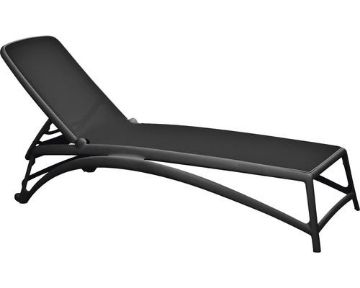
Resin seating also fits the product range often associated with outdoor-resin-furniture.com, which is an online store for durable resin outdoor furniture including chaise lounges, chairs, dining furniture, benches, swings, and poolside products. That context points to a broad idea: resin is not just for a single patio chair. It can shape a whole outdoor arrangement, from dining pieces to loungers near water.
Where fabric seating makes sense
Fabric seating has a different appeal. It can feel softer, look lighter, and bring texture to a patio or balcony. Cushions and sling backs can make a chair more comfortable for long meals or slow afternoons. In shaded areas, under a roof, or on a deck that dries quickly after rain, fabric can be a reasonable part of the setup.
The main question is moisture. Outdoor fabrics are designed to resist water better than ordinary indoor upholstery, but resistance is not the same as being untouched by rain. Cushions can hold water at seams, straps can stay damp, and padding can take a long time to dry if air cannot move around it. In a climate with repeated showers or high humidity, that can lead to mildew, odors, or a seat that feels unpleasant.
Fabric also varies widely. A tightly woven outdoor textile with good color stability may keep its appearance through sunny months, while a softer decorative fabric may fade or stretch. The frame matters too. A strong frame with a worn sling can look tired, and a comfortable cushion on a weak base will not solve the structural problem. Fabric seating asks the buyer to pay attention to both parts of the chair.
Sun exposure is another deciding factor. ultraviolet exposure affects colors, surface finish, and fibers over time. Some fabrics are made for outdoor use and handle that better, but no textile is beyond the effects of light and weather. Resin can also fade or chalk depending on its formulation and color, so the comparison is not simply fabric versus fade free plastic. It is a matter of which kind of aging suits the setting and the owner's tolerance for upkeep.
The climate questions worth asking
Before choosing between solid surfaces and fabric, look at the place itself. The same chair can perform differently on an exposed lawn, a sheltered terrace, a balcony above a street, or beside a pool. The microclimate around the chair often matters more than the general region.
- Does rain land directly on the seat, or does a roof keep most of it off?
- Does water drain away quickly, or does it sit on flat ground around the legs?
- Is the chair in strong sun for much of the day?
- Wind exposure can move lightweight chairs, dry fabrics fast, and carry dust across surfaces.
- Are chairs left outside through off season months, or brought in during poor weather?
These questions lead to different answers. A sheltered porch with good airflow may support fabric cushions that would be a nuisance in an open garden. A pool area with frequent splashes may favor resin chairs that can be rinsed and left to dry. A windy rooftop may call for heavier frames and fewer loose parts, whatever the seating material.
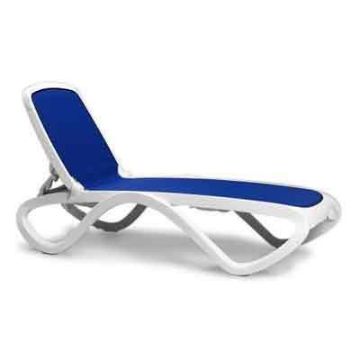
Surface drainage is a small detail with a big effect. A molded seat with channels or gaps can dry after rain. A flat cushion with a waterproof cover may trap water at the edge. Legs that collect water at the feet can stay grimy or develop deposits. When checking weather resistant chairs, pay attention to the shape, not just the label. Water needs somewhere to go.
Comfort, appearance, and daily use
Comfort is where fabric often wins. A cushion conforms to the body, and a sling seat can give slightly under weight. Resin chairs can be comfortable too, especially when the seat is shaped to support the body, but a hard molded surface may feel less inviting for long sessions unless cushions are added. Once cushions enter the picture, the care question returns.
Style also plays a role. Resin furniture can look clean and modern, with smooth lines and a range of colors. Fabric brings softness and pattern, which can make a seating area feel closer to an indoor living space. Neither choice is automatically better. The right look is the one that still makes sense after a wet week or a hot spell.
For dining chairs, solid surfaces can be easier around spills. Food and drink wipe away from resin more readily than from thick fabric. For lounging, fabric may feel more relaxed, though it asks for more attention after rain. Benches and swings can sit between the two categories, with slatted or molded resin surfaces on one side and textile cushions on the other.
Seasonal storage can change the balance. If chairs can be covered or moved under shelter during harsh months, fabric will usually age more gently. If they must stay outside year round, solid resin is often the simpler choice. Covers help, but they need to fit well and allow air movement. A tight cover over damp cushions can keep moisture in rather than out.
How to compare the options fairly
A useful comparison starts with use. Ask how often the chairs will be used, whether they stay outside, and who will move them. Light chairs are easier to rearrange but may shift in wind. Heavier chairs feel steadier but can be awkward to store. Stackable designs help where space is limited. Cushions add comfort but add a second item to manage.
Next, look at the weak points. For resin seating, check edges, leg joints, and any hardware. For fabric seating, check seams, straps, stitching, and how cushions attach. A chair exposed to moisture will find those weak points eventually. Good design reduces the number of places where water can collect and makes cleaning straightforward.
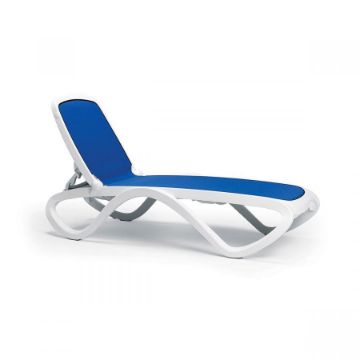
Color is practical as well as visual. Dark surfaces may show dust and heat more, while light surfaces can show stains and fading differently. color stability is worth considering when chairs sit in open sun. Neutral tones often blend with many settings, but a color that hides everyday marks may be more useful than one that looks perfect only when new.
Routine care should fit the way the space is used. A formal patio may be wiped down often, while a busy family garden may need seating that can be rinsed quickly and returned to use. A poolside chair may face sunscreen, chlorine splashes, and wet feet. In that case, fewer fabric parts usually mean fewer things to dry or replace.
Weather resistant chairs are not defined by one perfect material. They are the result of matching material, shape, setting, and care. Solid resin seating suits people who want simple cleanup, stable outdoor construction, and tolerance for rain or pool use. Fabric seating suits sheltered spaces where comfort and softness matter, and where cushions can dry or be stored when conditions turn poor.